India Travel Info & Visa
1. Passport
An international passport with a minimum validity of 6 months from the date of arrival into India is required. For non-Singapore citizens residing in Singapore, please bring along your green card, work permit, student pass or exit permit (National Service man) etc. Malaysians entering Singapore with restricted passport must depart Singapore with the same travel document.
2. Visa
Indian Visa is required for Singaporeans and other Nationalities. Each tourist visa is valid up for 6 months (from date of issue) and is non-extendable. Visa application requires 2 passport size photos, application form (available from visa office) and SGD60 visa fee. Kindly check for updated visa information with the India High Commission.
3. Time Difference
India is 2hrs 30 mins behind Singapore.
4. Vaccination
Vaccination is strongly recommended prior to the trip. You can consult your family doctor or visit the nearest clinic in your neighbourhood for consultation at least a month before your trip if you confirm your trip early. There is also a travel clinic at Tan Tock Seng Hospital. Special precautions to note are Hepatitis A, Malaria, Tetanus and Typhoid.
5. Currency/Cash/Credit Card
Indian rupees are used in India. The exchange rate is estimated at SGD1 = Rs33, subject to fluctuation. We advise you to change your Indian rupees in Singapore. Currency can be changed at banks, airports or authorised money changers. US Dollars are the easiest currencies to exchange. Cash is the best option especially when travelling out of big cities. Credit card is useful for emergencies.
6. Electricity
The power supply is 220volts in the big cities. We suggest that you bring along a multi-purposed plug available in all electrical shops.
7. Climate
Best Season: Mar – May (Summer) & Oct – Dec (Autumn) & Feb (Winter)
Monsoon: Jun – Sep
8. Clothing
For touring and sightseeing, lightweight comfortable casual clothing is recommended. Do keep in handy a hat, sunblock lotion and sunglasses. Warm clothing or a light jacket for night is recommended. Bring a pair of flat, comfortable walking shoes.
9. Hotel Facilities
Generally air-conditioner, television, in-room movie channel & sometimes free coffee/tea making facility are available in the hotel rooms (4 star standard). All beverages consumed from the mini bar is at personal expense. Some hotels in the city have internet facilities in their business centre which are chargeable.
10. Hot Shower
Hot shower is available in majority of the hotels.
11. Communications
Internet cafes are common in the cities and are reasonably cheap. Local calls, long-distance calls and facsimile services can be made in the tele-communication shops en-route or in the city. Should you wish to make calls from your mobile, you should note that roaming service is costly in India, including sms. The reception at some places in the rural areas out of India may be poor.
12. Shopping
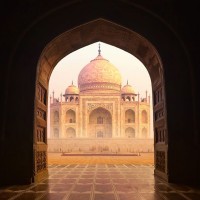
Bargaining is customary at small shops and markets, the art of which is to start at half the asking prices and going up till a compromise is reached. It is a good practice to check out prices at various shops along the same street before commiting to your purchase. Some of the top souvenirs include Indian Tea, Shawl, Sari, Incense, Spice, Carpet, Leather shoes. A popular souvenir is a miniature marble Taj Mahal.
13. Tipping & Porterage
Tipping is a common practice while you are on a tour. It is always a good gesture and customary to tip the coach driver and the local guides. Guideline for tipping is SGD4 per passenger per day for leisure tours.
14. Food & Beverage
Any changes in diet can have an effect but a few simple precautions should prevent any problems stemming from food or drinks. Tap water is NOT drinkable in India. It is safe to drink only mineral water from sealed bottle or from the boiled water supplied in your room.
A typical North-Indian meal would consist of chapatis or rotis (unleavened bread baked on a griddle) or paranthas (unleavened bread fried on a griddle), rice and an assortment of assessories like dals, friend vegetables, curries, curd, chutney, and pickles.
South Indian food is largely non-greasy, roasted and steamed. Rice is the staple diet and forms the basis of every meal. It is usually served with sambhar, rasam (a thin soup), dry and curried vegetables and a curd preparation called pachadi. Coconut is an important ingredient in all South Indian food.
15. Language
Hindi is the official language. English also has official status. Members of the tourist industry and many businessmen do speak English and other native language.
Disclaimer:
This note serves only as a guideline and is accurate at the time of issue. Divine International Explore & Treks will not be held responsible for misinformation or omission intentionally or otherwise. All information are subjected to changes without prior notice. For more information, please check out travel literature or websites.