
Nepal Travel Info & Visa
1. Airport Check-In
Always arrive at the airport 2 hours before departure time to facilitate check-in.
2. Passport
An international passport with a minimum validity of 6 months from the date of arrival into Nepal is required. For non-Singapore citizens residing in Singapore, please bring along your green card, work permit, student pass or exit permit (National Service man) etc. Malaysians entering Singapore with restricted passport must depart Singapore with the same travel document. Safe deposit box is available at most hotels. You may inquire at the hotel reception upon check-in.
3. Visa
Visa is required for Singaporeans and other Nationalities up to a maximum stay of 60 days. Application requires 1 passport size photo and visa fee of USD25 for 15 days, USD40 for 30 days and USD100 for 60 days . Visa and Immigration form will be distributed during your flight for filling before arrival. Visa forms are also available in the immigration hall upon arrival. Upon entry to the immigration hall, proceed to the ‘Without Visa’ counter to the extreme left of the hall. For those with Visa, please join the queue at ‘With Visa’ counter.
4. Passport Size Photos
Please bring along 3 passport size photos for the application of park permit if you are going for trekking in Nepal.
5. Vaccination
Vaccination is recommended prior to the trip. You can consult your family doctor or visit the nearest clinic in your neighbourhood for consultation at least a month before your trip if you confirm your trip early. There is also a travel clinic at Tan Tock Seng Hospital.
6. Currency
Nepalese rupees are used in Nepal (Note: This is different from INDIAN RUPEES).
The exchange rate is estimated at SGD1 = Rs50, subject to fluctuation. Nepalese rupees are not available in Singapore. You can change Nepalese rupees with SGD or USD. Currency exchange can be done in Kathmandu and Pokhara. There are plenty of money changers in Thamel (tourist district in Kathmandu) and Lakeside (tourist district in Pokhara) which offer better rates than the airport money changer. We recommend that you change a minimum sum e.g. SGD100 on your first day of arrival to purchase neccesaties such as mineral water and snacks. You can change more during your trip if you need more for own expenses.
7. Prohibited Goods
No carrying of foods, agricultural products, plants, pets or animals, narcotics, arms and ammunition, pornographic objects and religious articles. Medical subscription and unknown goods need to be declared at the customs.
8. Electricity
Normal outlets are for plugs with 2 rounded prongs. The power supply is 220volts in the big cities. We suggest that you bring along a multi-purposed plug available in all electrical shops. Do note that blackout can be common in the city and outskirts. Do bring along a torchlight for emergency case.
9. Climate
Best season to travel: Mar – Jun Autumn: Oct – Dec Winter: Jan – Feb Monsoon: Jul – Sep
10. Clothing
For touring and sightseeing, lightweight comfortable casual clothing is recommended. Do keep in handy a hat, sunblock lotion and sunglasses. Warm clothing or a light jacket for night is recommended. As there will be a lot of walking during tours, you are advised to bring a pair of flat, comfortable walking shoes. For trekkers, a packing list guideline will be sent to you.
11. Hotel Facilities
Generally air-conditioner, television, in-room movie channel & free coffee/tea making facility are available in the hotel rooms. All beverages consumed from the mini bar is at personal expense. Most hotels in the city have internet facilities in their business centre which are chargeable.
12. Hot Shower
Hot shower is available in majority of the hotels in the city and outskirts. However, it is possible that hot water may not be available at times due to temporary electricity supply cut-off. Hence, do not panick and do approach your guide if you need help. If the water is too cold for shower, it is advisable to do a simple clean-up instead using wet towel.
13. Communications
Internet cafes are common in the cities and are reasonably cheap. Local calls, long-distance calls and facsimile services can be made in the tele-communication shops in major cities. Most hotels have installed IDD in their guest rooms. Should you wish to make calls from your mobile, you should note that roaming service is costly in Nepal, including sms. The reception at some places in the outskirt like Chitwan and Nagarkot may be poor.
14. Shopping
Bargaining is customary at small shops and markets, the art of which is to start at half the asking prices and going up till a compromise is reached.
15. Tipping & Porterage
Tipping is a common practice while you are on a tour. It is always a good gesture and customary to tip the coach driver and the local guides. Guideline for tipping is SGD3/day for tour guide and SGD2/day for driver for each passenger on leisure tours. For trekkers, the guideline for tipping is SGD8/trek day for chief guide/cook, SGD4/trek day for assistant guide and SGD3/trek day for each porter/helper. For group trekkers (2 pax or more), the total sum is divided among the members. For individual trekkers, you bear the entire sum. Please note this is just a guideline.It is entirely up to each individual to decide how much they want to tip as experiences may vary.
16. Food & Beverage
Any changes in diet can have an effect but a few simple precautions should prevent any problems stemming from food or drinks. Tap water is NOT drinkable in Nepal. It is safe to drink only mineral water from sealed bottle or from the boiled water supplied in your room. A typical nepali meal consist of the long grain rice (Baht), Curry Chicken (Kukra), Vegetable (Takari), Pure Yogurt (Curd) and Lentil Soup (Dahl). The locals are generally vegetarian. Food is not a problem in Nepal. Various cuisine such as Nepali, Indian, Chinese, Korean, Japanese, Western, Thai and continental are available in the city. Nepali and Indian food are common in the outskirts while traveling from one location to another.
17. Language
The official language is Nepali, all members of the tourist industry and many businessmen do speak English and other native language.
18. Culture
With its diverse ethnic groups and traditional beliefs, Nepal has numerous cultural practices that may appear unusual to a person on his/her first visit to the country. However, to enjoy your stay in this remarkable country of White Himalayas and sparkling rivers, it is important to take into consideration the different cultural aspects of the country. Here is a list of things that may be helpful to you:
a) The form of greeting is “Namaste” and is performed by joining the palms together.
b) Before entering a Nepalese home, temple, and stupa, remember to remove your shoes.
c) Never touch anything with your feet. This is considered an offence among Nepalese.
d) Seek permission first before entering a Hindu temple.
e) Leather articles are prohibited to be taken inside the temple precinct.
f) Take photographs only after receiving permission for the object or person being photographed.
g) Public displays of affection between a man and a woman are frowned upon.
This pre-departure note serves only as a guideline and is accurate at the time of issue. Divine International Explore & Treks will not be held responsible for misinformation or omission intentionally or otherwise. All information are subjected to changes without prior notice. For more information, please check out travel literature or websites.
Browse Nepal Trips, Tours & Treks
-
 + Quick View
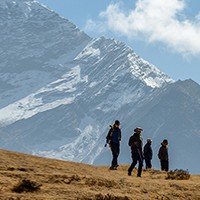
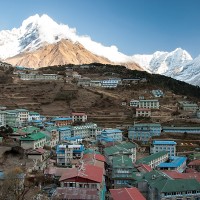
6 Days Nepal Best of Everest View by Private Helicopter
-
 + Quick View
8 Days Scenic Nepal with 2 Days Naudanda – Sarangkot Trek
-
 + Quick View
7 Days Cultural Nepal with 3 Days Chisapani – Shivapuri Trek
-
 + Quick View
6 Days Scenic Nepal with 2 Days Naudanda – Sarangkot Trek
-
 + Quick View
6 Days Scenic Nepal with 1 Day Dhulikhel – Nagarkot Trek
-
 + Quick View
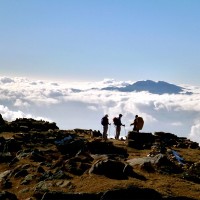
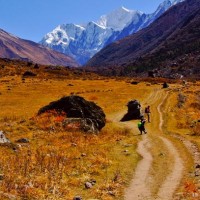
13 Days Nepal Gosainkunda Helembu Cultural Trek
-
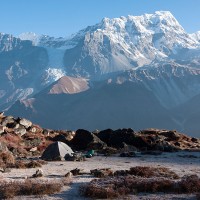
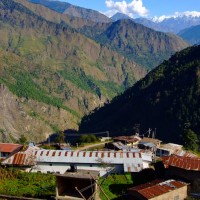 + Quick View
11 Days Nepal Helambu Cultural Trek
-
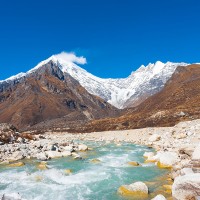
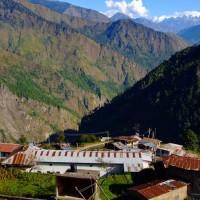 + Quick View
10 Days Nepal Langtang Valley Trek
-
 + Quick View
21 Days Nepal Annapurna Circuit Trek
-
 + Quick View
18 Days Nepal Annapurna Circuit with Tilicho Lake Trek
-
 + Quick View
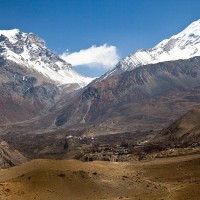
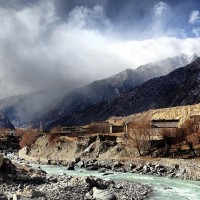
15 Days Nepal Annapurna Circuit Trek (Express)
-
 + Quick View
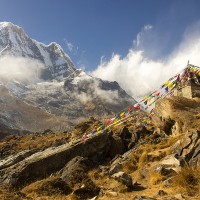
15 Days Annapurna Base Camp Trek
-
 + Quick View
12 Days Annapurna Base Camp Trek (Express)
-
 + Quick View
10 Days Nepal Ghorepani Poonhill Trek
-
 + Quick View
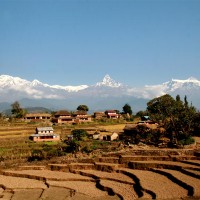
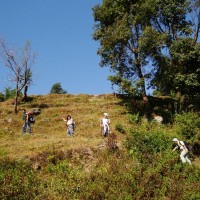
8 Days Nepal Panchase Trek with Nagarkot Tour
-
 + Quick View
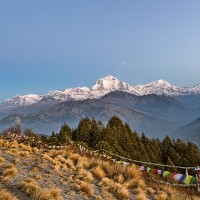
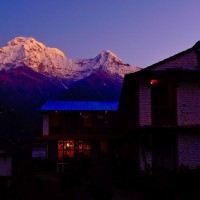
8 Days Nepal Ghorepani Poonhill Trek (Express)
-
 + Quick View
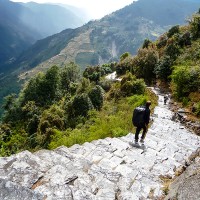
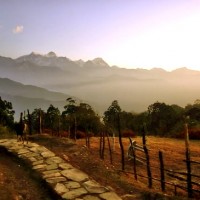
8 Days Nepal Ghandrung Trek
-
 + Quick View
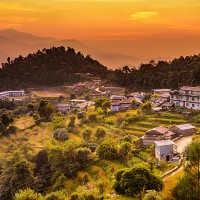
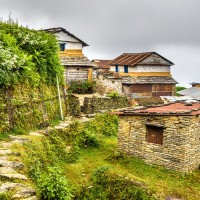
8 Days Nepal Dhampus Australian Camp Trek
-

 + Quick View
19 Days Nepal Gokyo – Chola Pass – Everest Base Camp Trek
-
 + Quick View
17 Days Everest Base Camp Trek
-
 + Quick View
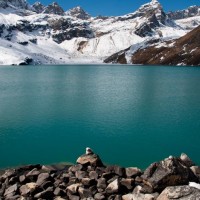
16 Days Nepal Gokyo Lake Trek
-
 + Quick View
15 Days Nepal Gokyo Renjo Pass Trek
-
 + Quick View
10 Days Glimpse of Everest Foothill Trek
-
 + Quick View
10 Days Nepal Everest Panorama Trek
-
 + Quick View
8 Days Adventure Nepal Tour with Whitewater Rafting & Paragliding
-
 + Quick View
8 Days Adventure Nepal Tour with Whitewater Rafting
-
 + Quick View
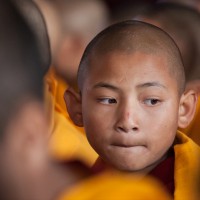
8 Days Nepal Buddhist Pilgrimage Tour
-
 + Quick View
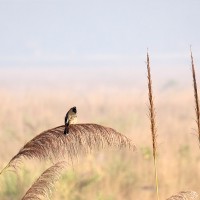
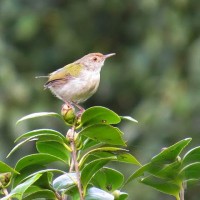
8 Days Nepal Bird Watching Tour
-
 + Quick View
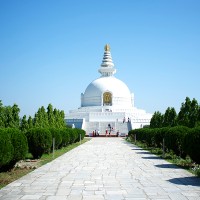
9 Days Scenic Nepal with Buddha Birth Place
-
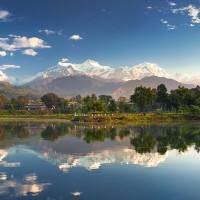 + Quick View
8 Days Best of Nepal
-
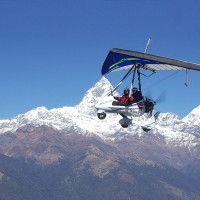 + Quick View
8 Days Adventure Nepal Tour with Whitewater Rafting & Ultralight Flight
-
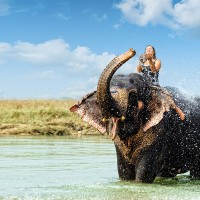 + Quick View
7 Days Nepal Escape
-
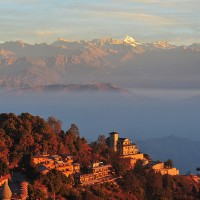 + Quick View
6 Days Essential Nepal
-
 + Quick View
5 Days Luxury Nepal
-
 + Quick View
4 Days Nepal Getaway
-
 + Quick View
5 Days Glimpse of Nepal
-

 + Quick View
17 Days Nepal Langtang – Gosainkunda – Helembu Trek